Clapham Common rubbish clearance guide for flats
Posted on 20/06/2026
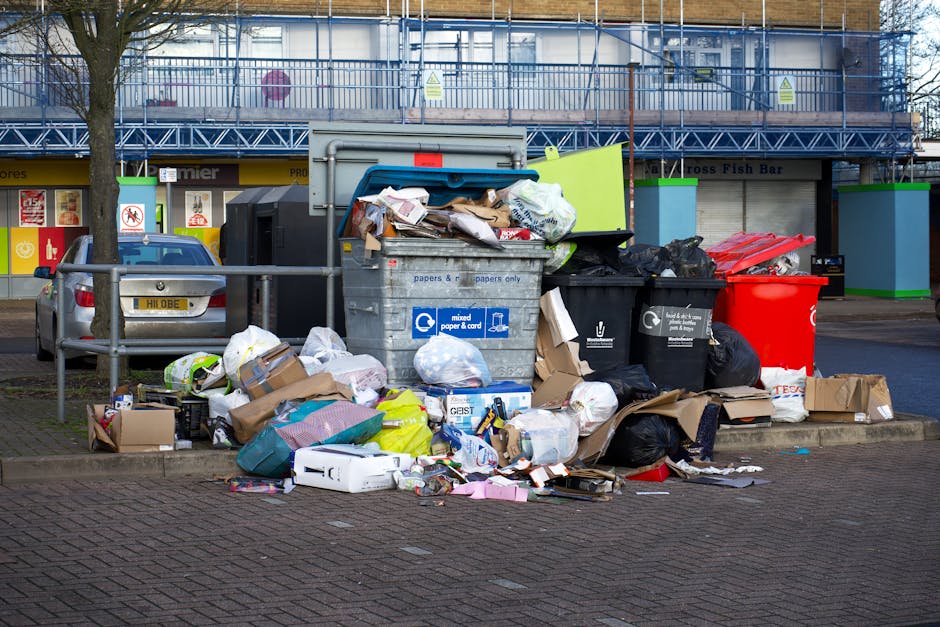
If you live in a flat near Clapham Common, rubbish has a funny habit of building up exactly when you have the least time to deal with it. A broken wardrobe in the hallway, two bags of old clothes, a mattress that won't fit down the stairs, or the remains of a "quick" flat clear-out that somehow turned into a whole weekend. Sound familiar?
This Clapham Common rubbish clearance guide for flats is designed to make the whole process less stressful. Whether you are moving out, replacing furniture, clearing a rented apartment, or simply trying to get back control of a cramped storage area, the aim is the same: remove waste safely, keep shared spaces tidy, and avoid the usual headaches that come with flat living.
We'll walk through how clearance works in apartment blocks around Clapham Common, what to watch for in shared buildings, how to compare options, and the practical steps that help you get it done without upsetting neighbours, managing agents, or your own schedule. A bit of planning goes a long way. Honestly, it really does.
Why Clapham Common rubbish clearance guide for flats Matters
Flat clearance near Clapham Common has a few quirks that house owners often never think about. Shared entrances. Narrow stairwells. Lift restrictions. Bin stores that are already full by Monday morning. And, to be fair, a lot of flats in this part of London are in converted buildings where access can be awkward even on a good day.
That is why a proper approach matters. If you leave items in communal areas, they can quickly become a fire safety issue, an obstruction, or simply a nuisance for everyone else in the building. If you use the wrong disposal method, you may end up with extra trips, extra stress, or a complaint from the managing agent. Nobody wants that email.
There is also the local lifestyle factor. Clapham Common is busy, well connected, and home to many renters, young professionals, sharers, and long-term residents. Moves happen often. Furniture gets replaced. End-of-tenancy clearances happen all the time. So a sensible system for rubbish removal is not just convenient; it is part of keeping flat life manageable.
If you are still figuring out what type of help you need, it can be useful to look at the broader rubbish removal options for your situation and the wider services overview before booking anything.
How Clapham Common rubbish clearance guide for flats Works
In plain English, flat rubbish clearance is the removal of unwanted items from an apartment or shared building, usually with attention to access, sorting, lifting, and responsible disposal. The exact process depends on what you have and how the building is set up, but most clearances follow a similar pattern.
First, the items are identified. That can include general household waste, broken furniture, white goods, bagged clutter, wardrobes, soft furnishings, carpets, or renovation leftovers. Then the collection method is worked out. Sometimes everything can be carried out in one visit. Other times, you need careful loading, a lift booking, or staged removal because the stairwell is too tight to rush.
In flat blocks around Clapham Common, access is often the deciding factor. A clear run from the flat to the vehicle is ideal, but many properties need a bit more coordination. In our experience, the best jobs are the ones where someone has already checked the lift size, the parking situation, and whether items need to be broken down before moving.
For more context on local living and property patterns, the article on Clapham property market overview is useful, especially if you are clearing a flat before selling, letting, or refurbishing.
Key Benefits and Practical Advantages
When done properly, flat rubbish clearance is about much more than getting rid of junk. It helps you reclaim space, reduce stress, and avoid awkward building issues. That sounds simple, but the practical benefits are real.
- Fast space recovery: one cleared storage cupboard or bedroom can make a small flat feel noticeably bigger.
- Less disruption: organised removal is usually quicker than repeated trips to the bin area or local tip.
- Better building relationships: keeping hallways and communal areas clear avoids complaints.
- Safer movement: heavy items are handled with proper lifting and better route planning.
- More responsible disposal: reusable and recyclable items can often be separated from mixed waste.
There is also the less obvious advantage: peace of mind. Once the clutter is gone, you stop thinking about it. The flat feels calmer. The air feels lighter, almost. You open the door and it just looks easier to live in.
If sustainability matters to you, it is worth reading about the company's approach to recycling and sustainability. That helps set expectations for how items may be sorted after collection.
Who This Is For and When It Makes Sense
This kind of clearance is a good fit for a wide range of people. It is not only for major renovations or dramatic move-outs. Often the smaller, everyday situations are the ones where help matters most.
- Tenants at the end of a lease: useful when you need to clear unwanted furniture or leftover rubbish quickly.
- Landlords and letting agents: handy after a tenant leaves items behind or a flat needs resetting for re-let.
- Homeowners downsizing: especially useful when sorting years of accumulated belongings in a compact space.
- Flat sharers: ideal when the communal storage area has become a half-forgotten graveyard of broken chairs and boxes.
- People renovating one room: good for old flooring, stripped-out fixtures, packaging, and unwanted items.
- Residents with mobility or time constraints: useful if carrying waste down several flights is simply not realistic.
It also makes sense when you are balancing busy local life. Clapham can be lively, especially around evenings and weekends. If you have ever tried to squeeze a wardrobe out of a third-floor flat while people are heading out for dinner, you'll know why timing matters.
For residents thinking about a move or a wider property change, the broader context from this real estate guide to investing in Clapham can help you see how clearance fits into the bigger picture.
Step-by-Step Guidance
Here is the clearest way to approach rubbish clearance in a flat near Clapham Common. Not flashy. Just practical.
- Sort what needs to go. Group items into general waste, reusable furniture, recyclable materials, and anything that may need special handling.
- Check access. Measure doorways, note stair width, confirm lift use if there is one, and think about parking or loading restrictions.
- Remove what you can safely. Small bags and light items are often best dealt with first so the flat becomes easier to work in.
- Disassemble bulky items if needed. Wardrobes, bed frames, shelving, and desks are often far easier to move in parts.
- Separate any hazardous or awkward waste. Paint, chemicals, sharps, and certain electrical items need extra care.
- Book the clearance. Give a realistic description of the volume and the access conditions. Underestimating this is a classic mistake.
- Protect shared areas. Keep corridors and entrance halls clear; if a building needs notice, give it.
- Do a final sweep. Check cupboards, loft-like storage areas, balcony corners, and under beds. People forget things. Everyone does.
A small tip from experience: take photos before you start. Not for nostalgia. Just so you can see what has been cleared and what still needs attention. It saves a lot of "was that box meant to stay?" conversations later.
Expert Tips for Better Results
The difference between a smooth clearance and a stressful one usually comes down to detail. A few quiet decisions made early can make the entire job easier.
- Book with access in mind, not just volume. A small pile of waste on the fourth floor can take longer than a larger pile on the ground floor.
- Use clear labels if several people share the flat. It stops unwanted items and keepers from getting mixed up.
- Keep a box for documents and valuables. Mixed clearances have a habit of swallowing passports, chargers, and remote controls.
- Clear the route before the team arrives. Shoes, plant pots, recycling, and loose bags in the hallway slow everything down.
- Choose a quieter time if possible. Mid-morning or early afternoon often works better than the school-run or late-evening rush.
If your flat has ongoing maintenance or refurbishment work, it can also be helpful to coordinate with any trade waste or builders' cleanup. For larger renovation jobs, a specialist page like builders waste disposal in Clapham may be more relevant than a general clearance service.
One more thing. If you are unsure how much there is, overestimate slightly. Nobody enjoys paying for a second visit because the "few bags" turned out to be a cupboard, a sofa, and three flat-packed bookcases. That happens more often than you'd think.

Common Mistakes to Avoid
Flat clearances look simple on paper. In real life, they go sideways when people rush the prep or ignore building rules. These are the mistakes that cause most problems.
- Leaving bags in communal areas: even briefly, this can upset neighbours and create a safety issue.
- Not checking parking or access: a vehicle that cannot stop nearby adds time and cost.
- Forgetting lift bookings: some blocks need advance notice. If you miss that, the job slows right down.
- Mixing hazardous items with general waste: this is one to treat carefully.
- Assuming everything can be collected as-is: some items need dismantling or extra labour.
- Choosing purely on price: the cheapest option is not always the most efficient or reliable.
There is also the small-but-annoying mistake of forgetting the balcony. In a flat, balconies become accidental storage spaces in winter. By spring, they can be full of broken planters, old chairs, and a plant pot that has long since given up. Bit of a classic.
Tools, Resources and Recommendations
You do not need a van-load of equipment to prepare for rubbish clearance, but a few basic tools make everything easier. The goal is to reduce lifting, reduce friction, and avoid damage to the flat or communal areas.
- Heavy-duty sacks: useful for sorting lightweight general waste and soft items.
- Strong tape and labels: helpful when multiple people are sorting belongings.
- Basic tools: a screwdriver, hex keys, and a small hammer can help dismantle furniture.
- Protective gloves: sensible for sharp edges, dusty cupboards, and broken items.
- Door protectors or blankets: handy if bulky items need to pass through narrow spaces.
- Measuring tape: saves guesswork when checking lift and doorway clearance.
For practical help choosing the right approach, the page on pricing and quotes is useful when you want a clearer idea of what drives the cost of a clearance.
You may also want to look at the wider waste removal in Clapham service if you are dealing with mixed items rather than one specific category of rubbish.
Law, Compliance, Standards, or Best Practice
For flat residents, the legal side is mostly about being sensible and avoiding fly-tipping, unsafe storage, and poor disposal choices. UK waste rules and local building expectations can be quite straightforward in principle, but the details matter.
In practice, you should make sure waste is passed to a legitimate operator, especially if the load includes bulky items, electricals, or mixed household rubbish. If you are a tenant, you may also need to follow your tenancy agreement and any building rules about communal spaces, lift use, and waste storage. Landlords and managing agents often have their own expectations too. It is not glamorous, but it saves hassle.
Best practice usually means:
- keeping fire exits and corridors clear,
- not blocking shared bin stores,
- separating items where possible,
- handling sharp or hazardous objects safely,
- and using a provider that follows responsible disposal and recycling habits.
If you want reassurance about safety, insurance, or how collections are handled, it may help to review insurance and safety information and the company's terms and conditions before booking.
Truth be told, compliance is less about memorising rules and more about avoiding lazy shortcuts. If in doubt, separate, label, and ask. Simple, but effective.
Options, Methods, or Comparison Table
There is more than one way to clear rubbish from a flat. The best method depends on the amount of waste, your access, your time, and how much lifting you want to do yourself.
| Method | Best for | Pros | Watch out for |
|---|---|---|---|
| Self-clearance | Small loads, light bags, short distances | Low direct cost, flexible timing | Time-consuming, lifting risk, transport issues |
| Building bin store disposal | Very small volumes only | Convenient if allowed | Space fills quickly, communal rules, limited capacity |
| Private flat clearance service | Bulky items, mixed loads, time-sensitive clear-outs | Fast, practical, less physical effort | Cost varies by load size and access |
| Specialist waste handling | Builders' waste, garden cuttings, or specific waste streams | More appropriate for certain materials | Not ideal for all-purpose flat clearances |
For a general flat in the Clapham Common area, a private rubbish clearance service is often the simplest option. For a renovation-heavy job, you may need something more specialised. For a light tidy-up, self-clearance might be enough if you have the time and a decent route down the stairs. That said, stairs have a way of making even a "small" job feel enormous.
Case Study or Real-World Example
Imagine a third-floor flat near Clapham Common with a mix of unwanted items after a move: a broken bed frame, two mattresses, three chairs, a stack of books, small kitchen clutter, and a storage cupboard full of random bits collected over the years. Nothing dramatic. Just the usual accumulation of flat life.
The first challenge is access. The hallway is narrow, the lift is small, and the front entrance is shared. The second challenge is sorting. The books can stay or go, the broken frame needs dismantling, and the soft furnishings take up more space than they look like they will. The final challenge is timing, because the resident wants it cleared before the keys are handed back.
In a case like this, a sensible plan would be:
- separate everything into categories before the team arrives,
- clear the hallway and protect the route,
- confirm parking and lift access in advance,
- and make sure the bulkier items are broken down where possible.
The result? The flat is cleared in one go, the resident avoids multiple trips, and the building stays tidy. Nothing heroic. Just good preparation and the right support. A bit dull, maybe, but wonderfully effective.
Practical Checklist
Use this checklist before your clearance appointment. It keeps the job tight and avoids last-minute panic.
- Sort items into keep, recycle, donate, and dispose categories.
- Measure large furniture and note access points.
- Check whether the lift can be used or needs booking.
- Confirm parking or loading access near the building.
- Remove valuables, documents, chargers, and personal items.
- Disassemble anything that will not fit through doorways in one piece.
- Keep communal areas clear and inform neighbours if necessary.
- Separate hazardous items from general rubbish.
- Take photos if you want a simple before-and-after record.
- Review the provider's safety, payment, and service information.
Expert summary: the best flat clearances are never about brute force. They are about access, sorting, timing, and choosing the right method for the building. Get those four things right and the rest usually falls into place.
Get a free quote today and see how much you can save.
Conclusion
A well-planned Clapham Common flat clearance should feel straightforward, not overwhelming. Once you understand the access issues, separate what needs to go, and choose the right disposal route, the job becomes much easier to manage. The flat feels lighter. The building stays calmer. You get your space back.
If you are dealing with bulky items, a tight staircase, a move-out deadline, or simply too much stuff and not enough time, the smartest move is usually to plan once and clear it properly. It saves energy in the long run. And lets face it, nobody really wants to spend a Saturday dragging a mattress down three floors while the rest of Clapham gets on with brunch.
For a smoother experience, choose a provider that explains the process clearly, handles waste responsibly, and understands how flats in this area actually work. That combination matters more than people think. Small details, big difference.
 Tipper Van - Rubbish Removal and Rubbish Clearance Prices in Clapham, SW4
 Luton Van - Rubbish Removal and Rubbish Clearance Prices in Clapham, SW4


